
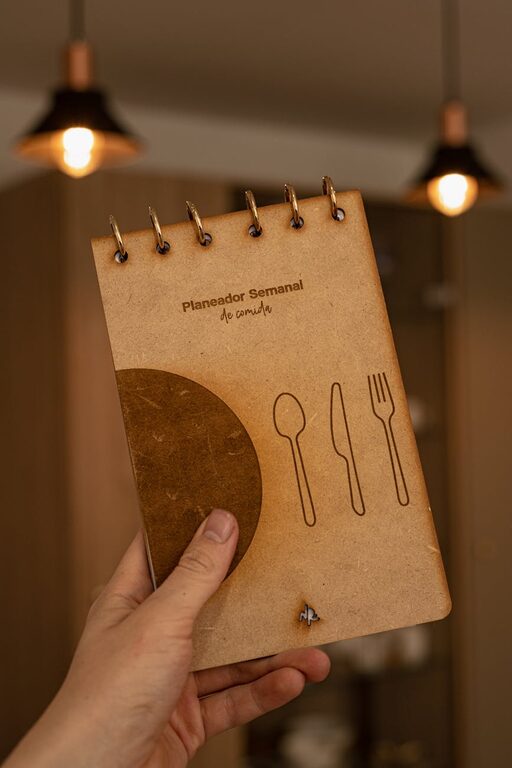
Planning your meals for the week can seem like a daunting task, but it doesn’t have to be complicated. A simple weekly meal plan helps you save time, reduce food waste, and maintain a balanced diet. Whether you’re cooking for yourself, your family, or a group, having a plan in place makes mealtime smoother and more enjoyable.
In this guide, we’ll walk through the basic steps to create a straightforward weekly meal plan that fits your lifestyle.
Why Create a Weekly Meal Plan?
Before diving in, it’s helpful to understand the benefits of meal planning:
– Saves time: Knowing what you’ll cook each day eliminates last-minute decisions.
– Reduces stress: No more frantic trips to the grocery store or “What’s for dinner?” moments.
– Promotes healthy eating: Planning ahead encourages balanced meals.
– Saves money: Buying only what you need reduces food waste and impulse purchases.
Step 1: Assess Your Week Ahead
Start by reviewing your upcoming week to identify:
– Busy days when you have little time to cook
– Days with social plans or eating out scheduled
– Times when leftovers could be convenient
This helps you set realistic expectations for your meal plan.
Step 2: Choose Your Meals
Breakfast Ideas
Keep breakfasts simple and nutritious:
– Overnight oats with fruit
– Smoothies with spinach, banana, and protein powder
– Yogurt parfaits with granola
– Scrambled eggs with whole-grain toast
Lunch Options
Consider meals that are easy to pack if you’re off to work or school:
– Salads with mixed greens, grilled chicken, and a vinaigrette
– Sandwiches or wraps with plenty of veggies
– Leftovers from dinner the night before
Dinner Planning
For dinners, try to include a protein, vegetable, and grain or starch:
– Stir-fry with tofu, veggies, and brown rice
– Baked salmon with roasted potatoes and steamed broccoli
– Pasta with marinara sauce and a side salad
– Slow cooker chili for busy evenings
Step 3: Create a Template
Use a weekly planner template or simply write your plan on paper or an app. Assign specific meals to each day, including snacks if you like. Here’s an example layout:
| Day | Breakfast | Lunch | Dinner |
|———–|———————-|———————–|————————–|
| Monday | Overnight oats | Chicken salad | Stir-fry with rice |
| Tuesday | Yogurt parfait | Turkey sandwich | Baked salmon |
| Wednesday | Smoothie | Leftover stir-fry | Pasta with marinara |
| … | … | … | … |
Step 4: Make a Grocery List
Once your meals are planned, list all the ingredients needed for the week. Organize the list by sections of the grocery store (produce, dairy, meat, pantry) to streamline shopping.
To reduce waste, check your pantry and fridge for items you already have. Adjust your plan if needed based on availability.
Step 5: Prep Ahead
Meal prepping saves time during busy days. Consider:
– Washing and chopping vegetables
– Cooking grains or proteins in advance
– Portioning snacks or lunches into containers
Even spending 30 minutes prepping on a weekend can make a big difference.
Tips for Maintaining Your Meal Plan
– Be flexible: It’s okay to swap meals or change plans as needed.
– Use leftovers: Repurpose dinner leftovers for the next day’s lunch.
– Try new recipes gradually: Introduce new dishes to keep things interesting.
– Keep it simple: Don’t overwhelm yourself with complicated recipes.
– Listen to your appetite: Adjust portion sizes and snacks based on how you feel.
Conclusion
Creating a simple weekly meal plan doesn’t require a lot of effort but can bring big rewards in convenience and nutrition. By assessing your schedule, choosing balanced meals, organizing your shopping, and prepping ahead, you’ll enjoy less mealtime stress and more time to relax.
Start small, keep it practical, and enjoy the benefits of planning your meals with ease!